
Are Water Birds Really Waterproof?


Water birds are some of the most specialised and resilient species of bird. From swans and ducks to gulls and waders, lets explore how these birds are perfectly adapted to life on lakes, rivers, wetlands, and coastlines. At Brent Lodge Wildlife Hospital, we regularly care for water birds throughout the year, and their unique physical adaptations play a vital role in their survival - especially as the seasons change.
Water Birds | Feet Designed for Life on Water

One of the most noticeable features of water birds is their feet. Many species, such as ducks, swans, and geese, have webbed feet, which act like paddles when swimming. The webbing increases surface area, allowing birds to push efficiently through water while conserving energy.
Wading birds, including herons and egrets, have long toes rather than webbing. These spread their weight evenly across soft mud and shallow water, preventing them from sinking while hunting for fish and invertebrates.
In colder months, water birds also benefit from a clever adaptation called counter-current heat exchange. Blood vessels in their legs minimise heat loss, allowing birds to stand on ice or in cold water without freezing - an essential survival trait during winter.
Feathers Built for Insulation and Waterproofing

Feathers are another key adaptation that helps water birds cope with the ever-changing British climate. Their feathers are coated with natural oils from a gland near the tail, which birds spread while preening. This creates a waterproof barrier, allowing water to "literally roll off a duck's back", keeping the skin dry and helping birds stay buoyant.
Beneath the outer feathers lies a dense layer of down, which traps air and provides insulation. This is especially important during winter, when water temperatures drop and birds need to conserve body heat.
Seasonal moulting also plays a role. Many water birds replace worn feathers at specific times of year, ensuring their plumage remains effective for insulation, flight, and waterproofing when conditions are toughest.
Flying Skills and Seasonal Movement
Water birds are also highly skilled flyers. Many species have long, powerful wings designed for endurance, allowing them to travel long distances between feeding and breeding grounds. Some water birds seen in the UK are migratory, arriving from colder regions in winter or travelling north in spring to breed.
Seasonal changes influence behaviour as well as movement. During winter, water birds may gather in larger flocks on unfrozen waterways, where food is more accessible. In spring and summer, energy is focused on breeding, nesting, and raising young - often in quieter wetlands or reedbeds.
Adapting to Change - and the Challenges Ahead

While water birds are well adapted to their environments, they still face significant challenges. Pollution, habitat loss, fishing line injuries, and extreme weather events can all threaten their survival. Changes in water levels or freezing conditions can make feeding difficult, particularly for young or weakened birds.
At Brent Lodge Wildlife Hospital, we regularly treat water birds suffering from injuries or illness linked to these pressures. Rehabilitation gives them the chance to recover and return to the wild, where their remarkable adaptations can once again support their survival.
How You Can Help Water Birds
Keep waterways clean - Dispose of litter and fishing tackle responsibly.
Avoid feeding inappropriate food - Bread offers little nutrition and can cause health issues.
Provide safe resting spaces - Undisturbed banks and natural vegetation help birds conserve energy.
Report injured birds - Early intervention can be lifesaving.
OTHER BLOGS YOU MIGHT BE INTERESTED TO READ;
A Perfect Balance of Nature and Design
Water birds are a powerful reminder of how nature evolves to meet environmental challenges. From webbed feet and waterproof feathers to long-distance flight, each adaptation plays a crucial role in helping these birds survive changing seasons and conditions. By understanding and respecting these adaptations, it is possible to make a big impact and better protect the habitats water birds rely on - ensuring they continue to grace our waterways for generations to come.
This swan made a full recovery after he was found covered in oil during an spill at a local waterway. Treating oiled birds involves professional, multi-step processes: stabilising the bird, gentle washing with mild detergent or washing up liquid, and warm water is required to remove oil. Thorough repetitive rinsing, and extensive drying/preening time for several days in a safe enclosure for feathers to regain waterproofing, full recovery and release is possible if treated in time. When rescuing affected birds specific gear and equipment for handlers is essential to protect themselves from oil and stress reduction for the birds. Crucially, untrained individuals should never attempt to clean oiled birds themselves; ALWAYS contact a wildlife rescue centre like ours immediately for advice.

Did You Know? Fascinating Facts About Water Birds
Swans can fly at altitudes of over 8,000 metres, higher than many mountain peaks, during long migratory journeys.
Ducks have more neck bones than humans - allowing them to twist and turn their heads easily while preening waterproofing oils into their feathers.
Water birds don’t freeze to ice thanks to a special circulation system in their legs that reduces heat loss, even when standing on frozen surfaces.
A water bird’s feathers can trap air, helping with both insulation and buoyancy - that’s why many birds sit high on the water when healthy.
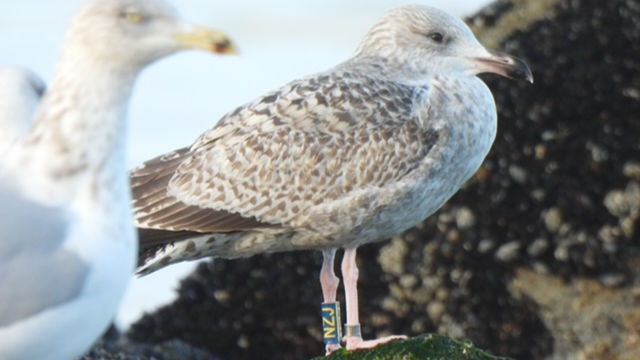
Gulls are highly intelligent and can recognise individual human faces, which helps them adapt to both coastal and urban environments.
Many water birds sleep with one eye open, allowing half of their brain to stay alert for predators while they rest.
By Asha Park


Keeping up with forum discussions without reading everything is a real challenge. This digest compresses the most relevant tactics and risk-control updates into a short weekly format, which makes it easier to stay current without losing hours. The weekly practitioner digest is a practical supplement to following threads directly.
He estado usando Nano Banana Pro recientemente. La versión Pro maneja prompts más complejos con resultados más nítidos. Sigue basado en Gemini. Genial para arte conceptual sin configuración local.
Narinig Mo Ba is a useful independent guide for players who want quick information about the game, including how to play, browser access, downloads, and basic troubleshooting. The site keeps the main details easy to find without overcomplicating things.
Me pareció útil la información sobre magis tv descargar, especialmente porque descargar una aplicación no debería consistir solamente en encontrar un archivo. También es necesario comprobar su origen, compatibilidad y permisos. Estos consejos pueden ayudar a evitar inconvenientes y permiten utilizar el dispositivo con mayor tranquilidad.
Been using Nano Banana Pro for AI image generation recently. The Pro version handles more complex prompts and delivers sharper results — still powered by Gemini under the hood. Great for concept art and style experiments without any local setup.