
Pet Awareness Month | Safeguarding Pets and Wildlife

Updated: Apr 4
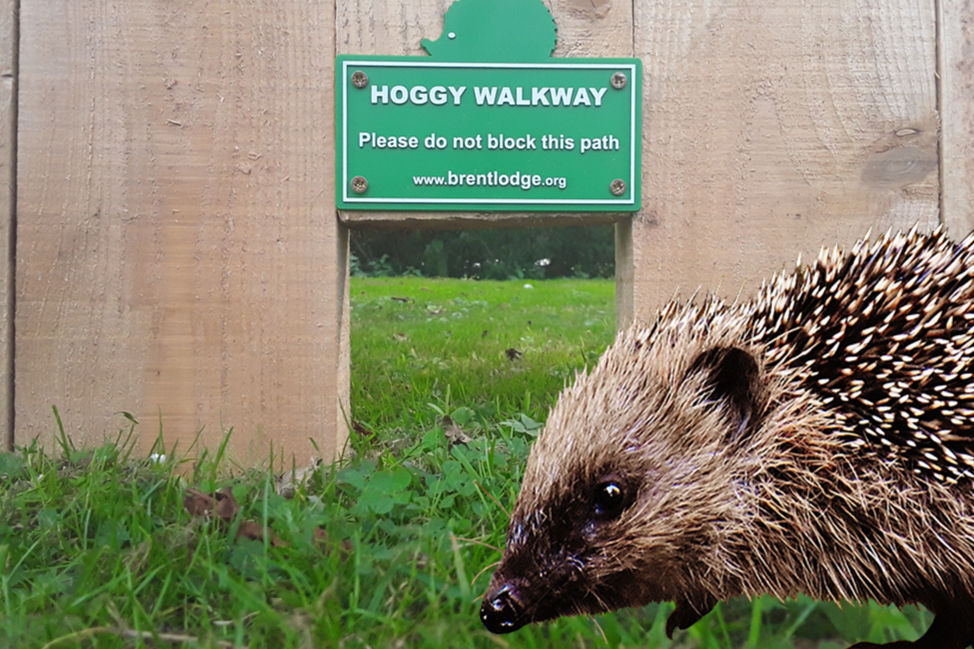
Pet Awareness Month, celebrated in April, is an opportunity to reflect on our responsibilities as pet owners and to promote the wellbeing of both domestic animals and the wider environment they live in. It encourages simple, proactive steps that promotes the safe coexistence for pets and nature, while also helping to protect local wildlife and support biodiversity.
Creating a wildlife-friendly garden, such as planting wildflowers or installing hedgehog walkways and nest boxes, can bring a noticeable and welcomed increase in wildlife activity. However, with this enrichment comes a shared responsibility. Each year, Brent Lodge Wildlife Hospital treats over 400 animals suspected of being injured by domestic cats and dogs in back gardens. This accounts for nearly 20% of the hospital’s annual admissions, underlining the urgent need for pet owners to recognise their role as guardians, not only of their pets, but of the wildlife that shares their environment.
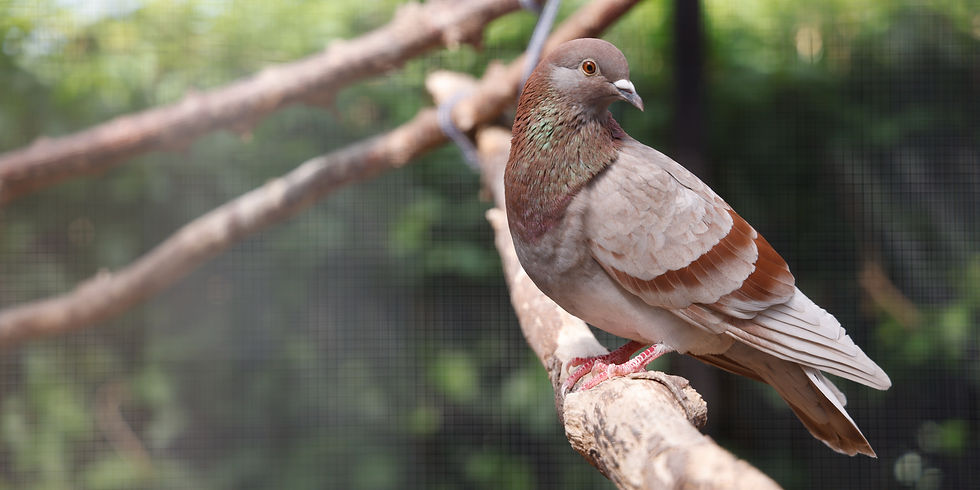
Among the most distressing cases at the hospital are hedgehogs suffering from injuries caused by dog encounters, and birds brought in with wounds inflicted by inquisitive cats. These stories offer a sobering glimpse into the everyday dangers faced by wildlife in our gardens and neighbourhoods, where even the most well-behaved pets can unintentionally become predators, disrupting the delicate balance of local ecosystems.
The recently released State of Nature Report highlights that the UK remains one of the most nature-depleted countries in the world, an alarming reminder that we all have a role to play in supporting wildlife. With depleted food sources and habitat loss, wildlife face many challenges. There are approximately 34 million pets in the UK, with roughly 62% of households owning a pet. By incorporating a few practical measures into our daily routines, and sharing the responsibility, we can help wildlife thrive in the natural spaces they share with our precious companions.
The unrecognisable brown blob below is a poor hedgehog that was rolled around in mud by a curious dog, resulting in the hedgehog becoming completely encased in a thick layer of mud. Several washes and weeks of rehabilitation was needed before he was fit for release again. The dog also suffered wounds to their paws from the spines which needed to be treated by a vet.

As animal lovers, we are not seeking to vilify our pets. We understand that these encounters are often driven by natural instincts or simple curiosity. However, we believe the responsibility ultimately lies with pet owners. Taking steps to prevent these situations not only protects wildlife but also safeguards our pets. It’s unlikely to be a pleasant experience for a dog to end up with a mouthful of hedgehog spines - both of which could result in serious injury and an expensive visit to the vet.
This blog offers simple, proactive guidance for pet owners who want to create gardens that are safe, balanced, and supportive for both wildlife and their pets. With the right approach, you might even be rewarded with a visit from a hedgehog or a rare garden guest.

SAFEGUARDING TIPS FOR PET OWNERS
Bells on Collars:
A small bell on your cat's collar serves as an auditory warning, alerting wildlife to their presence and reducing the likelihood of surprise attacks or at least and opportunity to escape.
Indoor Safety at Night:
For nocturnal hunters, consider keeping cats indoors at night, a simple measure that can significantly reduce their impact on wildlife during peak activity hours or times of year (nesting season).
Elevate Bird Feeders:
Protecting birds from ground-level predators, including our pets, can be achieved by positioning bird feeders high above the reach of potential threats. If your pets are prolific hunters it might be best to stop feeding birds so they are out of harms way.
Strategic Bird Boxes:
Create safe nesting spaces for birds by installing bird boxes at least 2 meters above ground, sheltered by trees or bushes, ensuring a secure environment for raising their young.
Leash Control in Nature Reserves:
In natural settings, such as nature reserves, woodlands, and parks, keep dogs on leads, especially during the spring and summer months when wildlife is actively breeding and nurturing their offspring.
Create a Quiet Zone:
Designate a pet-free area in your garden, allowing wildlife to flourish undisturbed. This quiet zone becomes a haven for wildlife to live and raise their young away from potential threats.
Mitigating Nesting Fox Encounters:
We appreciate that not everyone will be pleased that they have a family of foxes under their garden shed or outhouse, especially if you have curious pets to keep away. Fostering coexistence with foxes is important in this modern world, as foxes are forced further into urban settings to raise their young. Where possible try creating barriers that prevent pet access while allowing the fox family to move freely. They won't be there for very long, once they have raised their young they will move away. Once cubs have moved along you can discourage future nesting under sheds by blocking off access, but NOT until you are sure they have gone.

UNDERSTANDING THE RISKS
It is an upsetting situation for everyone involved when a pet is responsible for injuring a wild animal. While the consequences of such encounters can be serious, many are also preventable. With years of experience in rehabilitating injured wildlife, Brent Lodge Wildlife Hospital highlights the importance of responsible action from pet owners in these situations.
The hospital encourages a proactive approach and advises pet owners not to release a wild animal caught by a pet without first seeking professional advice. Prompt action is especially important in cases involving cats, as untreated injuries can quickly lead to infection or, in severe cases, sepsis. Dogs can also cause concealed internal injuries. Wild animals often mask signs of pain or illness, so expert assessment is essential to ensure they receive appropriate care.
Cat saliva is highly toxic. Animals caught by cats will typically require antibiotics at a minimum, as unseen injuries are highly likely. Without treatment, these can become infected and lead to potential fatalities.
CREATING A SAFE HAVEN FOR PETS AND WILDLIFE
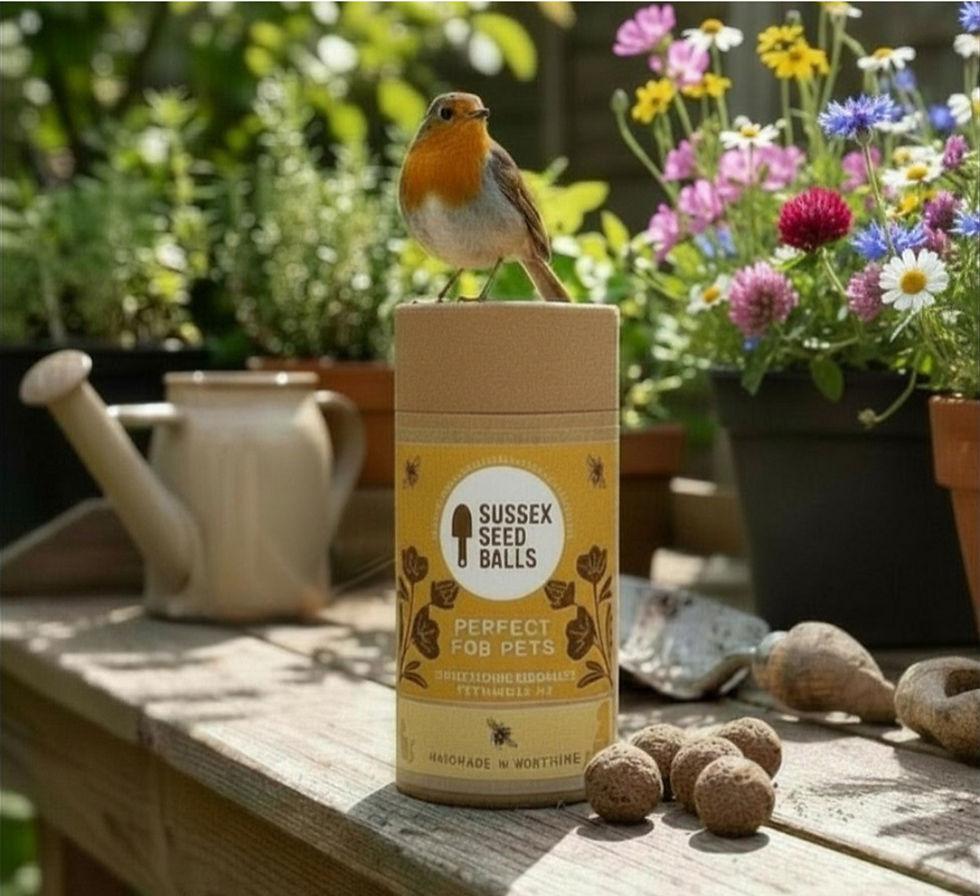
Sussex Seed Balls is pleased to partner with Brent Lodge Wildlife Hospital to promote their new pet-friendly wildflower mix, helping create spaces where pets and nature can coexist safely. Some wildflowers are toxic to pets which can deter some pet owners from encouraging wildflowers meadows, however creating a colourful patch without worrying about curious pets is possible by avoiding toxic bulbs or seeds.
Handmade in Worthing, this seedball mix is packed full of non-toxic pet (cat, dog & horse) -friendly wildflower seeds, to grow beautiful, pollinator-favourite flowers. Simply spread the seed balls, water, and watch your wildflowers grow! Hopefully, in time you will attract some surprise wildlife visitors too.
Quote code brent15 for 15% off your pet-friendly seed balls. A donation will also be made to Brent Lodge by Sussex Seedballs, for every order during their promotion period!
Encouraging these pet-safe wildflowers to grow provide vital natural food sources for pollinators and birds, often leading to a welcome increase in wildlife activity in our gardens. The partnership between Brent Lodge and Sussex Seedballs promotes the peaceful coexistence of pets and wildlife in these shared natural spaces, while highlighting simple, thoughtful actions pet owners can take to protect visiting wildlife.
By Asha Park

Un compañero de trabajo me habló de Arena King y los juegos de estrategia que tienen son bastante entretenidos. Los de construcción de reinos te pueden absorber un buen rato. Todo funciona directamente en el navegador sin tener que descargar nada.
Valhalla Vitality has an article that looks at testosterone from a metabolic perspective rather than only discussing it in terms of muscle or sexual health. It covers possible links between testosterone, muscle mass, visceral fat, and insulin sensitivity. The article is careful to distinguish associations from proven causal effects. It also notes that maintaining healthy habits remains important regardless of hormone status. This makes the discussion more informative than a simple claim that testosterone causes fat loss.
https://valhallavitality.com/blog/testosterone-and-metabolism-does-it-help-you-burn-fat
Got recommended Arena King by a coworker and the strategy games on there are pretty engaging. You can sink a surprising amount of time into the kingdom-building ones. Runs well in the browser without needing to download anything.
That stat about Brent Lodge treating over 400 animals injured by pets really hit home. We thought we were doing the right thing by making our garden wildlife-friendly, but never considered how our own cat might be undoing all that effort. We've since added a bell to her collar and started checking the hedges before letting her out. Speaking of daily habits, this reminds me of how I check krillion io each morning — small consistent actions add up, whether it's protecting local birds or just keeping your trivia streak alive.
To protect the surrounding ecosystem, developing better habits for observing and managing pets is extremely important. Speaking of daily routines, just like exercising your brain with a few rounds of Quordle today each morning, we can also build small but regular actions—like checking the yard before letting the dog out to play—to protect the safety of wildlife around the house.