
Feeding Garden Birds Safely

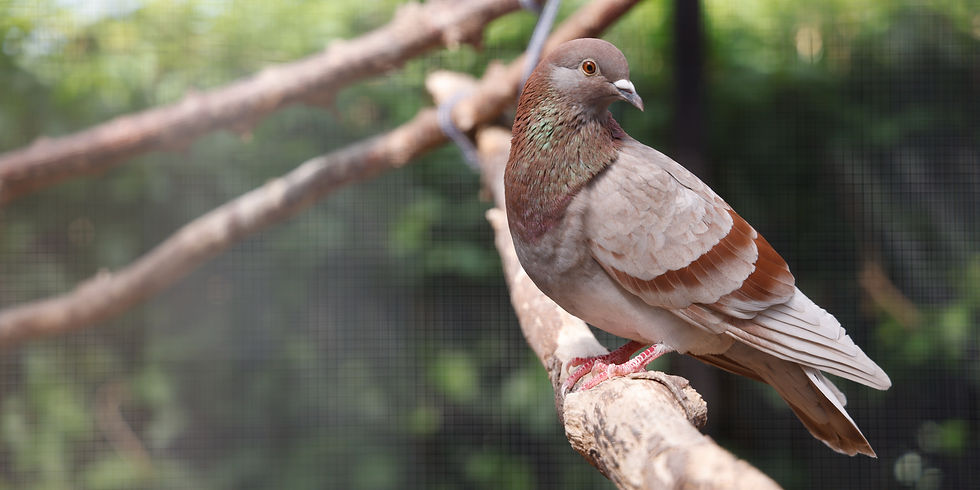
Garden birds are a familiar and much-loved part of life across the UK, from pigeons and blackbirds to sparrows and blue tits. However, in recent years, some species have experienced worrying declines - meaning how we support wildlife in our gardens has never been more important.
Creating a wildlife-friendly garden, such as putting up feeders, planting wildflowers or installing hedgehog walkways and nest boxes, can bring a noticeable and welcomed increase in wildlife activity. However, with this enrichment comes a shared responsibility.
At Brent Lodge Wildlife Hospital, we regularly care for birds affected by illness, injury, and environmental pressures. While feeding birds is often seen as a simple act of kindness, new guidance highlights that it must be done carefully and responsibly to avoid causing unintended harm.

Why Feeding Habits Are Changing
New guidelines issued by the RSPB from April 2026 recommend significant changes to how people feed birds in UK gardens. These changes aim to reduce the spread of trichomonosis, Avivan Influenza and other deadly diseases or parasites.
The key message is feed seasonally and feed safely.
By adapting when and how we provide food, we can continue to support birds without increasing the risk of disease transmission. The updated advice encourages a more natural approach to feeding, reducing crowding during warmer months when disease spreads more easily.
Summer Feeding Break (1 May – 31 October)
During the warmer months, it is recommended to pause filling bird feeders with seeds and peanuts. This helps prevent large numbers of birds gathering in one place, reducing the spread of disease. However, small amounts of mealworms, fat balls, or suet can still be offered, as these are considered lower risk and can be beneficial for feeding growing chicks.
Winter Feeding (1 November – 30 April)
During autumn and winter, when natural food is harder to find, a full range of bird foods, including seeds and peanuts, can be safely provided to help birds maintain energy levels.
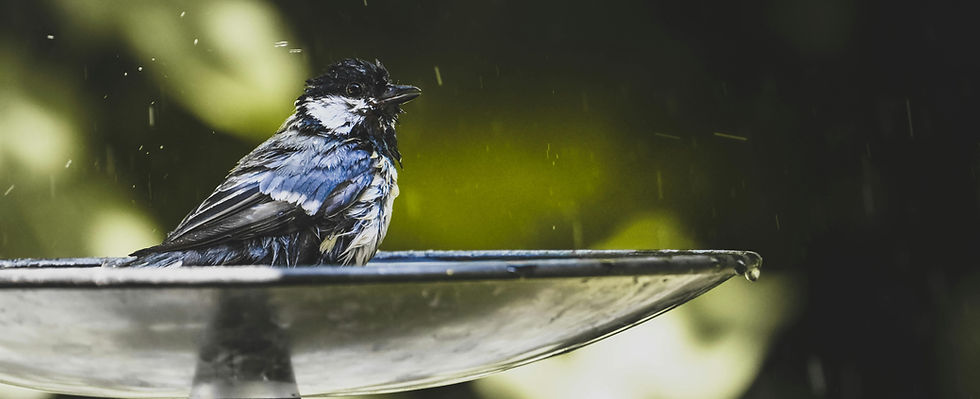
Keeping Feeding and Bathing Areas Safe
Just as important as what we feed is how we manage feeding and bathing areas. Poor hygiene can quickly turn feeders into hotspots for disease.
Clean feeders and bird baths weekly using warm water and mild disinfectant.
Move feeders regularly to prevent build-up of droppings and waste beneath them
Change water daily, ensuring it is clean tap water
Feed in moderation, only providing enough food to be eaten within 1–2 days
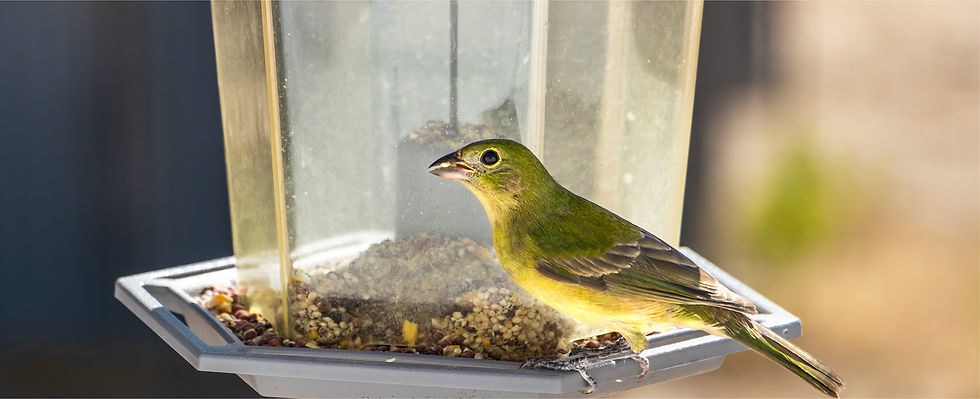
New guidance also recommends removing bird tables, tray feeders and window feeders, as these flat surfaces allow contaminated food to accumulate, increasing the risk of disease spreading between birds.
Natural Food Sources: The Best Long-Term Solution
While supplementary feeding can provide short-term support, the most effective way to help garden birds is by encouraging natural food sources. Planting native trees, shrubs and wildflowers can provide seeds, berries and insects - all essential parts of a bird’s natural diet. Leaving areas of your garden slightly wild, allowing grasses to seed, or keeping leaf litter can also create valuable feeding and shelter opportunities. Natural habitats not only reduce reliance on feeders but also support a wider range of wildlife, helping to build a healthier, more balanced ecosystem.
CREATING A SAFE HAVEN FOR PETS AND WILDLIFE
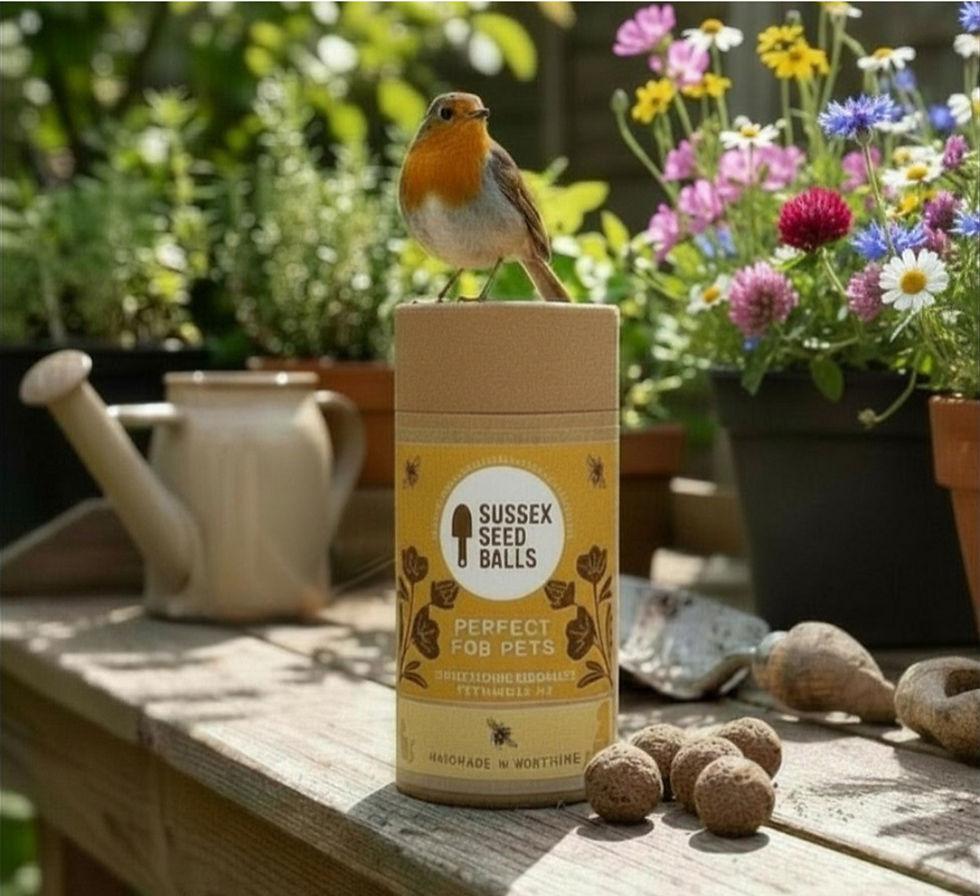
Sussex Seed Balls is pleased to partner with Brent Lodge Wildlife Hospital to promote their new pet-friendly wildflower mix, helping create spaces where pets and nature can coexist safely. Some wildflowers are toxic to pets which can deter some pet owners from encouraging wildflowers meadows, however creating a colourful patch without worrying about curious pets is possible by avoiding toxic bulbs or seeds.
Handmade in Worthing, this seedball mix is packed full of non-toxic pet (cat, dog & horse) -friendly wildflower seeds, to grow beautiful, pollinator-favourite flowers. Simply spread the seed balls, water, and watch your wildflowers grow! Hopefully, in time you will attract some surprise wildlife visitors too.
Quote code brent15 for 15% off your pet-friendly seed balls. A donation will also be made to Brent Lodge by Sussex Seedballs, for every order during their promotion period!
Encouraging these pet-safe wildflowers to grow provide vital natural food sources for pollinators and birds, often leading to a welcome increase in wildlife activity in our gardens. The partnership between Brent Lodge and Sussex Seedballs promotes the peaceful coexistence of pets and wildlife in these shared natural spaces, while highlighting simple, thoughtful actions pet owners can take to protect visiting wildlife.
Small Changes, Big Impact
These new measures are part of a long-term effort to ensure that supplementary feeding - which supports millions of birds across the UK - does not unintentionally contribute to the spread of fatal diseases.
At Brent Lodge Wildlife Hospital, we see first-hand the impact of disease and environmental pressures on garden birds. By making small, informed changes in our own gardens, we can help ensure that our efforts truly benefit the wildlife we care about.
Did You Know? Trichomonosis is a parasite that spreads easily at shared feeding sites and has contributed to major declines in greenfinch populations.
Birds rely heavily on insects during the breeding season, especially for feeding their young. Damp or mouldy food can be harmful to birds and should always be removed.
Creating natural food sources is one of the most effective ways to support bird populations long-term.
Every garden has the potential to support wildlife. By feeding responsibly, maintaining clean feeding areas, and encouraging natural habitats, we can all play a part in protecting the future of our garden birds.
Together, we can ensure that the simple act of helping wildlife continues to do exactly that - help.
By Asha Park

Khi chuyển đổi thiết bị, mình mới để ý trải nghiệm trên MM88 không phải lúc nào cũng được tiếp nhận theo cùng một cách. Với Đá gà, màn hình máy tính khiến mình dễ nhìn toàn bộ khu vực, trong khi điện thoại lại làm mình tập trung vào từng phần cụ thể hơn. Sau vài lần thử qua lại, mình bắt đầu nhận ra đâu là những chi tiết bản thân thường ưu tiên. Muốn xem người khác có cảm nhận tương tự hay không, mình đã tìm kiếm thêm và giữ lại một số nguồn để đối chiếu tại:
https://l2top.co/forum/members/mm88baby2.248488/
https://thewion.com/mm88baby
https://onlinesequencer.net/forum/user-315280.html
https://www.elektroenergetika.si/userprofile/tabid/43/userid/1626127/default.aspx
https://beatsaver.com/playlists/1277223
https://swdteam.com/profile/mm88baby
http://www.muzikspace.com/profiledetails.aspx?profileid=163500
https://www.easyhits4u.com/profile.cgi?login=mm88baby&view_as=1
https://www.notariosyregistradores.com/web/forums/usuario/mm88baby1/
https://maiotaku.com/p/mm88baby/info
https://onespotsocial.com/mm88baby
https://usdinstitute.com/forums/users/mm88baby1/
https://myanimeshelf.com/profile/mm88baby
https://filesharingtalk.com/members/649569-mm88baby
Có lần mình đang xem vài bài chia sẻ trên mạng thì thấy mọi người nhắc đến NK88 nên tiện tay bấm vào xem thử. Mình cũng không ngồi đọc hết nội dung, chủ yếu nhìn qua cách trang chia từng khu vực và bố trí menu. Cảm giác đầu tiên là giao diện khá thoáng, các phần có khoảng cách vừa đủ nên kéo xuống không thấy bí hay rối. Mỗi khu vực được tách riêng thành từng khối, nhờ vậy mình chỉ cần nhìn sơ cũng biết phần đó nằm ở đâu. Menu được đặt khá dễ tìm nên khi muốn chuyển sang mục khác cũng không phải mất công tìm kiếm. Mình chỉ lướt qua một lúc nhưng…
S8 là cái tên mình tình cờ thấy được nhắc đến khi đang lướt qua một vài chia sẻ trên mạng, nhất là những nội dung liên quan đến thể thao trực tuyến. Vì chưa biết nhiều về trang này nên mình cũng bấm vào xem thử giao diện bên trong ra sao. Mình không đọc kỹ từng phần mà chỉ kéo qua một lượt, chủ yếu để ý cách chia mục và sắp xếp thông tin. Nhìn chung, các khu vực được bố trí khá gọn, nội dung không dồn quá nhiều vào một chỗ nên xem nhanh cũng không thấy rối. Với mình, khi chỉ muốn cập nhật vài thông tin cơ bản thì cách trình bày rõ…
La semana pasada estuve un par de horas en Pokiig con los juegos de puzzles. Algunos me engancharon más de lo que esperaba, me decía a mí mismo un nivel más y cuando quise ver ya había pasado un buen rato.
Great read — thanks for taking the time to lay this out so clearly. https://goatee.io/