
Helping, Not Harming: What to Do If You Find a Young Gull This Summer

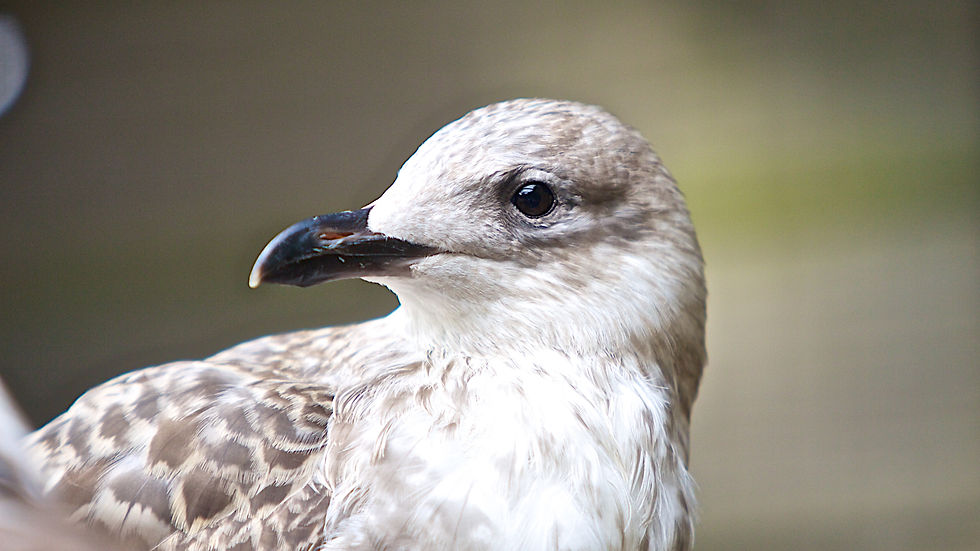
Every summer, wildlife rescue centres across the UK receive hundreds of young gulls brought in by concerned members of the public. While these rescues are always carried out with the best intentions, many of these birds are healthy youngsters that may never needed rescuing in the first place.
At Brent Lodge Wildlife Hospital, we understand why people are concerned when they see a young bird sitting alone on the ground. A fluffy gull chick or a partially feathered youngster can appear vulnerable, abandoned, or injured. However, in many cases, what you are witnessing is a completely normal stage of a gull's development.
Understanding when a young gull genuinely needs help and when it doesn't can make a huge difference to its welfare.
Growing Up Wild
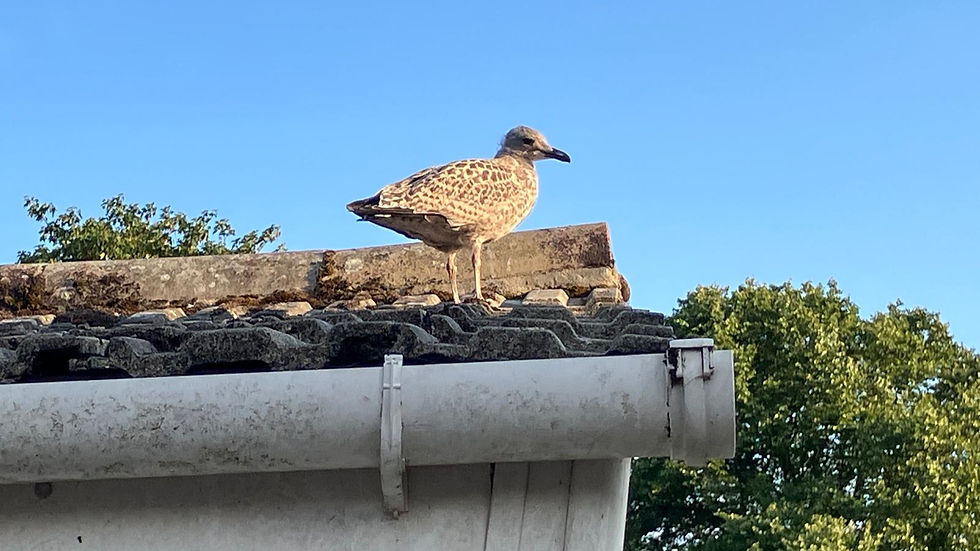
Like many garden birds, gulls often spend time out in the open before they are fully capable of flight. As they grow, young gulls leave the nest and begin exploring their surroundings. During this stage, known as fledging, they may spend days or even weeks on rooftops, in gardens, car parks, or on the ground while developing their flight muscles and learning important survival skills.
Although they may appear alone, their parents are usually nearby. Adult gulls typically continue feeding, protecting and monitoring their young throughout this period. They may not remain beside the chick constantly and often return only periodically to feed it, which can lead people to mistakenly assume the bird has been abandoned.
What Does A Young Gull Look Like?
Young gulls look completely different from adults. Depending on their exact age and species, they transition through a few distinct stages, starting as fluffy chicks and moving to mottled, brown-gray juveniles before gradually growing into their classic adult colors over 2 to 4 years.
Young gulls are fluffy and spotty primarily for survival and identification in the wild. The fluffy down provides essential insulation for their delicate bodies, while the spotty, mottled patterns act as perfect natural camouflage against rocky or sandy ground to hide them from predators.
Here are a few images of young fluffy gulls.

Why Unnecessary Rescue Can Be Harmful
When a healthy young gull is removed from the wild, it is denied a natural start to their life and loses the opportunity to learn essential behaviours from its parents. Wild parent birds teach their young how to recognise food, avoid danger, interact with other gulls and navigate their environment. These skills are difficult to replicate in captivity. Unnecessary admissions also place additional pressure on wildlife rehabilitation centre's during one of the busiest times of the year. Every space occupied by a healthy gull chick is a space that cannot be used for an animal that is genuinely injured, orphaned or unwell.
Where possible, wildlife is always best raised by their own kind in their natural habitats.

When Intervention Is Needed
There are situations where a young gull genuinely requires assistance.
You should contact a wildlife rescue centre if:
The bird is visibly injured.
It appears weak, collapsed or unresponsive.
It has been caught by a cat or dog.
It is a very young nestling that has fallen from a nest and is in immediate danger.
It is trapped or unable to escape from a hazardous location.
Even seemingly minor injuries can quickly become serious in wild birds, so if you are unsure, seeking advice is always the best option.
When It Is Best to Leave Them Alone
In many cases, the healthiest choice is simply to observe from a distance.
A young gull can usually be left where it is if:
It is alert and responsive.
It is moving around normally.
It shows no obvious signs of injury.
Adult gulls are present nearby.
Parents are occasionally returning to feed it.
It's worth remembering that swooping adult gulls are often a reassuring sign. While this behaviour can be intimidating, it usually indicates that protective parents are close by and actively defending their youngster.
If a Chick Is in Immediate Danger
Sometimes intervention is necessary, but only to move a bird to a safer location nearby.
If a healthy chick is beside a busy road, in the path of pedestrians, or exposed to another immediate hazard, it can often be carefully relocated a short distance away.
Suitable locations may include:
A nearby flat roof.
A sheltered garden.
A quiet grassy area.
A secure space away from traffic.
Moving the bird only a short distance allows its parents to find and continue caring for it naturally.
Why Gulls Matter
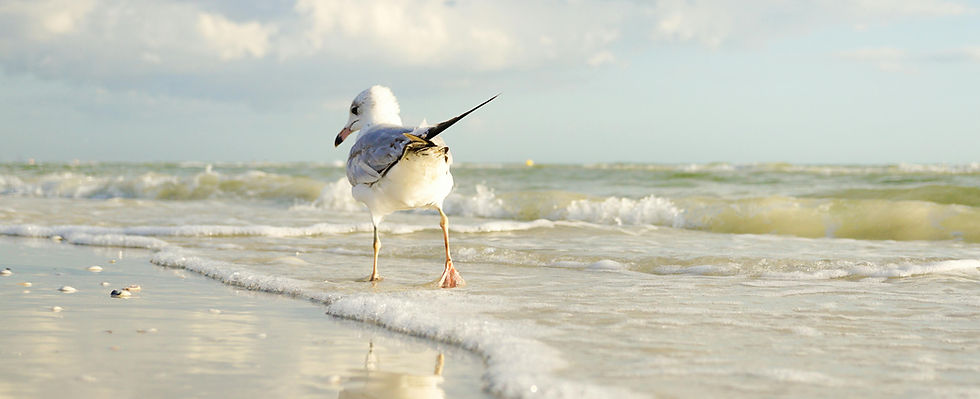
While there are about 50 species of gulls worldwide, around 25 species visit or live in the British Isles. However, only 6 main species regularly breed in the UK. Can you name all 6 gulls?
Did you know? There isn't a species called the seagull. This is just a common nickname for most gulls spotted on our coastlines. The gull most referred to as the seagull is in fact a herring gull.
Gulls are often misunderstood birds, yet they play an important role in our coastal and urban ecosystems. Several gull species found in the UK have experienced significant population declines in recent decades due to habitat loss, changes in food availability, pollution and other environmental pressures. By allowing healthy young gulls to remain with their parents whenever possible, we give them the best chance of developing into healthy adults and contributing to future populations.
It is reported that there has been a 60% drop in herring gulls since 1986, making them a priority species and Red Listed on the IUCN Species of Conservational concern. Some of the most common reasons for their decline are:
Persecution: Gulls are regularly targeted by air pellets or catapults with many considering them a pest species.
Entanglements: Fishing line and netting are common reasons for gulls to be admitted into wildlife rescues.
Oil pollution: Oil spills can devastate a range of marine life, with many seabirds becoming covered in the liquid, stripping them of their waterproofing and ability to take flight.
Decline in nest sites: With many homes and industrial sites using anti-gull methods such as netting and deterrents, gulls can struggle to find safe places to nest and rear their young.
What Difference Do We Make at Brent Lodge
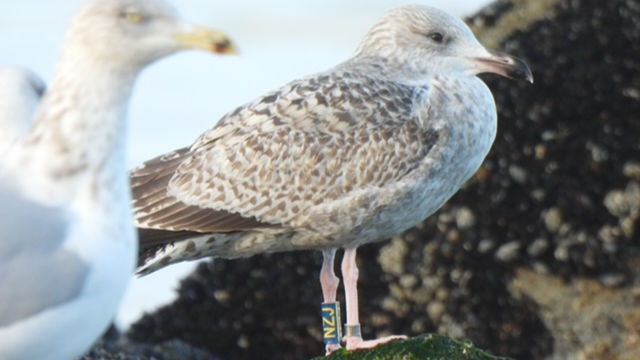
Brent Lodge cares for over a hundred sick, injured or orphaned gulls each year. Many require long-term rehabilitation or veterinary treatment to enable them to be successfully released back to the local environment. Our charity also plays an active role in research, biodiversity reporting, and wider conservation initiatives. Our gull tagging programme is making a meaningful difference for several endangered species. By ring-tagging rehabilitated birds such as raptors, gulls, and red-listed species, we contribute valuable data on species monitoring, migration patterns, survival rates, and post-release success.
For example, some of our rehabilitated herring gulls have been recorded as far away as Belgium, 12 months after release. This kind of information provides important evidence that rehabilitation can make a real difference to individual animals.
A Simple Rule of Thumb
We appreciate nature can appear cruel and unfair but when it comes to young wild animals such as gulls, the kindest action is not always immediate intervention. Often, the best thing we can do is pause, observe and allow nature to take its course. If you do however find an injured gull or a young gull and you are unsure whether it needs help, contact Brent Lodge Wildlife Hospital or your nearest wildlife rescue centre for advice before intervening. Together, we can ensure that wildlife receives the right help at the right time giving every bird the best possible chance of thriving in the wild.
You may also be interested to read our other gull related blogs
By Asha Park

Trong một lần trải nghiệm khá lâu, O8 khiến mình chú ý đến một chi tiết mà trước đây mình chưa dùng thường xuyên. Mình bắt đầu ở casino với Baccarat, theo dõi vài lượt rồi mở bảng thống kê để xem chuỗi kết quả vừa xuất hiện. Sau đó mình chuyển sang Roulette, chơi thêm một lúc và quay lại lịch sử để nhìn lại phần vừa trải nghiệm. Mình thấy các thông tin này khá dễ kiểm tra ngay trong lúc sử dụng nên dần hình thành thói quen xem xen kẽ. Buổi đó mình chỉ ở casino nhưng vẫn có nhiều thao tác để trải nghiệm mà không cần liên tục chuyển sang khu khác.
This is a valuable reminder that observing wildlife carefully before intervening can often be the best way to help. The same focus on proper care and prevention applies to HVAC installation in Berks County PA, where professional work helps ensure safe, reliable results.
This is a helpful reminder that not every young gull needs immediate rescue. Understanding their natural behaviour and knowing when intervention is genuinely necessary can make a real difference to wildlife welfare. The advice to observe carefully and seek expert guidance before acting is especially valuable. Just as proper care matters for wildlife, reliable Mobile Semi Truck Repair services help keep essential work moving safely and efficiently.
Mình đánh giá cao cách mm88 tổ chức các danh mục. Những nội dung có liên quan được đặt gần nhau nên việc tìm kiếm khá thuận tiện, không phải mở nhiều trang mới rồi quay lại liên tục. Cách sắp xếp này đặc biệt hữu ích với người chưa quen website.
Lần đầu biết đến LLWIN , mình bắt gặp cái tên này khá nhiều trong những bài thảo luận về nền tảng giải trí trực tuyến. Từ sự tò mò, mình đã truy cập thử để xem cách website vận hành cũng như quan sát phần giao diện bên ngoài. Cảm nhận đầu tiên là trang được thiết kế theo hướng khá tối giản, các khu vực chính được sắp xếp tương đối dễ nhìn và màu sắc không gây cảm giác quá chói. Quá trình thao tác cũng khá ổn, thời gian tải trang tương đối nhanh và việc chuyển đổi giữa các mục diễn ra khá mượt. Dù vậy, mình vẫn giữ thái độ thận trọng vì chưa có…