
Help Our Wildlife Prepare for Winter


As summer begins to fade and the days become shorter, autumn brings a dramatic change to the British countryside. Leaves begin to fall, temperatures drop and wildlife starts preparing for the colder months ahead.
For many of our wild animals, autumn is a particularly important time of year. Food must be found, energy reserves built up and safe places discovered for shelter and, for some species, hibernation.
But autumn is also a time when some of our everyday activities can unintentionally put wildlife at risk. Garden clearances, bonfires, machinery, ponds and even the way we tidy our outdoor spaces can all have consequences for the animals living alongside us.
Although the busy summer months are behind us, at Brent Lodge Wildlife Hospital, we see the results when wildlife comes into conflict with human activity. The team remains hard at work caring for wildlife that needs extra support as winter approaches. Underweight and injured hedgehogs are a particular concern at this time of year, while water birds have arrived from distant shores, needing treatment for a range of injuries. The hospital have also continued to care for some of Britains more elusive patients, including deer, foxes and bats, whose lives after dark often go unseen. Each faces their own challenges as the seasons change.
Fortunately, there are many simple things we can all do to make our gardens and outdoor spaces safer as autumn arrives.

Hedgehogs Preparing for Winter
One of the most familiar signs of autumn wildlife is the hedgehog preparing for hibernation.
As temperatures fall and natural food becomes harder to find, hedgehogs spend increasing amounts of time foraging and building up the fat reserves they need to survive the winter. They may also begin searching for suitable materials and locations to construct their hibernation nests, known as hibernacula.
Leaf piles, log piles, long grass and areas of undisturbed vegetation can provide valuable shelter. What might look like an untidy corner of a garden to us can actually be an important habitat for wildlife.
This is why autumn garden tidying needs a little extra thought. Before moving piles of leaves, branches or garden cuttings, check carefully for wildlife that may have made a home there.

The Hidden Danger of Bonfires
One of the biggest autumn hazards for hedgehogs is the traditional garden bonfire, especially around Bonfire Night activities. A pile of branches, leaves and garden waste can look like the perfect place for a hedgehog to shelter or build a nest. Unfortunately, if that pile is later set alight, any animal hidden inside can suffer severe burns or may not survive.
The British Hedgehog Preservation Society has recently launched its “Stop, Move, Check” campaign, encouraging people to consider whether a bonfire is necessary, move any planned bonfire materials immediately before lighting and carefully check the entire pile for wildlife.
The safest option is to build a bonfire on the day it is going to be lit, rather than allowing it to sit for several days. If a pile has already been built, move it to a clear area immediately before lighting it, giving wildlife a chance to escape.
Before lighting, inspect the entire pile carefully. Use a torch to look into the centre and gently lift sections using a broom or pole. Never use a spade or garden fork to search for wildlife, as an animal hidden inside could be seriously injured.
If possible, lighting from one side rather than all the way around can also provide an escape route for anything that has been missed.
The RSPCA similarly recommends building bonfires as close as possible to the time of lighting and checking thoroughly for animals beforehand. Hedgehogs aren't the only animals at risk; frogs, toads, insects and other small mammals may also take shelter in these piles.

A Messy Garden Can Be a Wildlife-Friendly Garden
Autumn often brings the temptation to clear everything away. Fallen leaves are swept up, dead vegetation is cut back and garden borders are made neat and tidy before winter arrives.
But for wildlife, a completely tidy garden isn't necessarily a healthy one. Leaving some areas of leaves, fallen branches and natural vegetation can provide shelter and food for insects and other invertebrates. These creatures in turn become an important food source for birds, hedgehogs and other wildlife.
A log pile can provide shelter for insects, amphibians and small mammals, while native plants producing berries and seeds can provide valuable autumn and winter food for birds.
Allowing part of your garden to remain a little wild doesn't mean abandoning it. Even a small corner can become an important refuge.

Think Carefully Before Using Garden Machinery
Autumn gardening can also bring other hidden dangers.
Strimmers, lawnmowers and other garden equipment can cause serious injuries if wildlife is hidden amongst long grass, fallen leaves or vegetation.
This poor hedgehog fell victim a strimmer injury. She was hiding in a hedgehog row before being nicked with a strimmer. Thankfully, her wound was stitched and she went onto being released back to the wild. Sadly, not all hedgehogs are this lucky. Many suffer fatal injuries and limb amputations that result in them not being able to survive a natural life in the wild.
Before cutting areas that have been left undisturbed, please check carefully for animals. This is particularly important when working around dense vegetation, long grass, log piles or other areas where wildlife may be sheltering.
Taking a few minutes to inspect an area before starting work could prevent a serious injury.
Helping Wildlife Find Food
Autumn is also an important time for animals to find enough food to prepare for winter.
Hedgehogs are busy building up energy reserves, while many birds rely increasingly on seeds, berries and other natural food sources as insects become less abundant.
One of the best ways to support wildlife is therefore to provide natural food and habitat wherever possible. Planting native species, leaving seed heads standing and allowing berry-producing shrubs to develop can create valuable food sources without requiring wildlife to rely entirely on supplementary feeding.
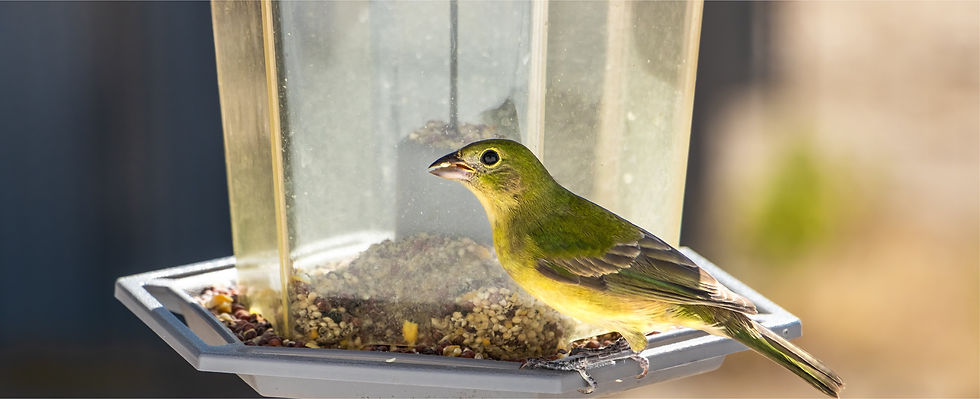
For garden birds, the RSPB's current guidance recommends feeding seasonally and safely. Between 1 May and 31 October, they advise pausing seeds and peanuts while continuing to offer small amounts of mealworms, fat balls or suet. From 1 November, a wider range of bird foods can be provided. Clean feeders weekly, refresh water daily and favour hanging feeders over flat surfaces to help reduce disease transmission.
This is a particularly useful reminder that helping wildlife isn't simply about putting food out. How, when and where we provide it matters too.

Autumn Is a Time to Look, Not Just Tidy
As we prepare our gardens for winter, it's worth remembering that we share these spaces with an enormous variety of wildlife.
A pile of leaves can be a home. A hedge can be a food source. A log pile can become shelter. Even an untidy patch of grass can provide somewhere for insects and small mammals to live.
With a little consideration, our gardens can become valuable refuges during one of the most challenging times of the year.
At Brent Lodge Wildlife Hospital, we know that preventing an injury is always better than having to treat one. By taking a few extra moments to check before clearing, cutting or burning, we can all help reduce the risks faced by wildlife.
AUTUMN / WINTER WILDLIFE FACTS
Hedgehogs can hibernate for several months, depending on weather conditions and food availability. During hibernation, their body temperature, heart rate and metabolism fall dramatically to conserve energy. Autumn is an important feeding period for hedgehogs as they build up fat reserves before hibernation.
Their are 18 species of UK bats. Bats enter a state called torpor over winter, an energy-saving adaptation during which their body temperature drops and their heart rate slows dramatically. In some species, it can fall to as few as four beats per minute, helping them conserve energy when food is scarce.
Some birds begin arriving in the UK for the winter just as summer visitors start their journeys south. Autumn migration creates a constantly changing population of birds in our countryside and gardens. Brent geese for example begin to arrive on our shores in October/November time and spend the winter months in the UK before moving on in the spring.

Wildlife doesn't need us to completely change our gardens or stop enjoying them. Often, the most helpful thing we can do is simply slow down and look before we act.
Before lighting a bonfire, check for hedgehogs. Before cutting long grass, check for hidden wildlife. Before clearing every leaf and branch, consider whether it might already be someone's home. Small changes can make a huge difference.
And if you find an animal that you believe is injured, sick or genuinely in need of help, contact your local wildlife rescue centre for advice. At Brent Lodge Wildlife Hospital, our aim is always to give wildlife the best possible chance of returning to the wild. By working together and preventing avoidable casualties, we can help make autumn a safer season for the wildlife living alongside us.
By Asha Park

One of the most interesting features of free online games is the ability to connect with other people.
Many multiplayer games allow users to communicate through messages, voice chats, or team activities.
Players can meet individuals who share similar interests, exchange experiences, and develop friendships.
For example, people who enjoy football games can discuss their favorite teams, while players who enjoy strategy games can share tips and techniques.
Online gaming communities can also provide a sense of belonging because members have common interests.
Furthermore, international allow people to communicate with players from different countries and learn about different cultures.
Nevertheless, players should be careful when interacting with strangers and protect their personal games for free information.
Este tipo de artículos siempre resulta interesante porque permite conocer diferentes aspectos de un tema sin complicaciones. Me gusta encontrar publicaciones que ofrecen información útil y mantienen una estructura sencilla. Para muchas personas, loteria nacional es un tema que merece información clara y actualizada.